Algodão Colorido BRS Rubi - Embrapa Algodão
Colored Cotton - BRS Rubi
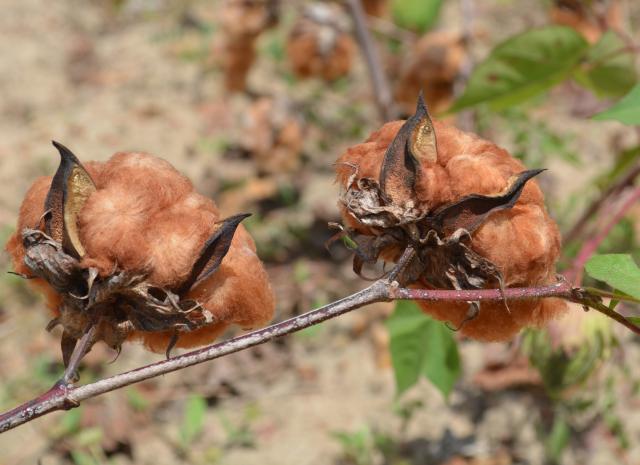
Photo: SANTOS, Edna Maria Cosme
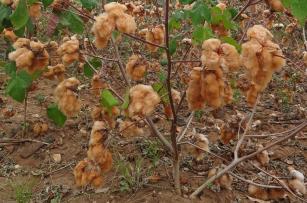
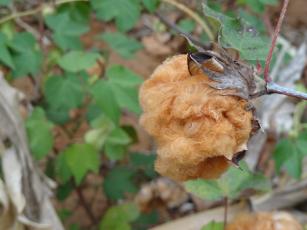
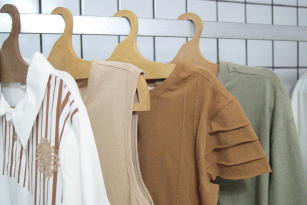
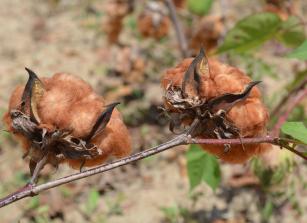
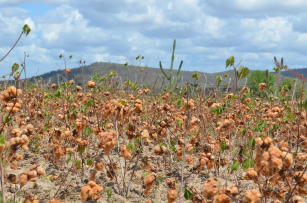
BRS Rubi is a red-brown colored fiber cultivar. Such cultivar is different from other existing brown-fiber ones in Brazil as it presents a darker or redder coloration; it is one of the first Brazilian cultivars with the colored wool trait. It can be cultivated in an upland regimen with average yield of 1,894 kg/ha for Brazilian Semiarid conditions or with irrigation, where it achieves over 3.5 t/ha as average seed cotton yield. The plants have an average 110 cm in height; a cycle varying between 140 and 150 days; and blooming at 55 days. As it is naturally colored, this cultivar does not go through the chemical processes of bleaching and dying, generating an end product that is more environmentally friendly and that could be used by consumers who are allergic. Who benefits from that? Smallholders, craftworkers, retailers and consumers Geographic range Paraíba, Rio Grande do Norte, Ceará, Pernambuco, and Mato Grosso do Sul Environmental benefit This product reduces the environmental impact of the textile process, as it dispenses with the use of dyes, and saves over 80% in water consumption to produce fabric. Economic benefit The technology has a lot of potential for expansion into other cotton crop areas. The market share is still small, but naturally colored cotton clothes have been gaining momentum in Brazil and abroad. Partners Financiadora de Estudos e Projetos - FINEP (Studies and Projects Financing Agency), Banco do Nordeste-BNB, and CNPq
Product: Cultivar Launch year: 2004
Country: Brazil Region: Central-West, Northeast State: Mato Grosso do Sul, Ceará, Paraíba, Pernambuco, Piauí, Rio Grande do Norte Biome: Cerrado, Caatinga
Responsible Unit: Embrapa Cotton
Where to find:
-
Embrapa Algodão
Rua Oswaldo Cruz, 1143, Bairro Centenário
CEP 58428-095, Campina Grande-PB
Telefone: (83) 3182-4305
E-mail: cnpa.chtt@embrapa.br
Image gallery
×
![]()